The Quiet Glow: Why Barrier Care Is Running the US Skin-Care Conversation in 2026
Walk through a US beauty aisle in 2026 and you can still find shelves shouting GLOW, BRIGHTEN, RENEW. But the conversation in group chats, dermatology waiting rooms, and even prestige launch decks has quieted. The ingredient getting the most attention is not a stronger acid. It is a functioning skin barrier. That shift is worth understanding, because it changes how you shop, how you layer, and what you expect a product to do.
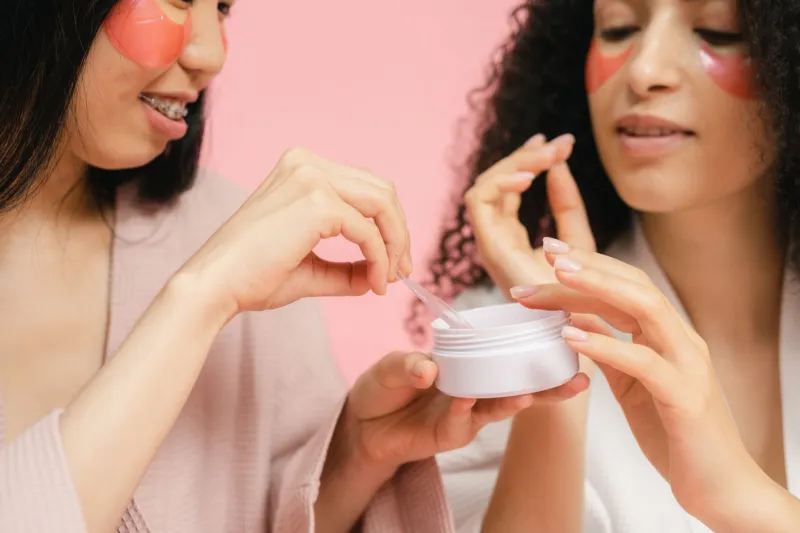
Barrier-first is not anti-glow. It is a different definition of glow. Instead of chasing a temporary sheen from exfoliation, it aims for the kind of light that comes from hydrated, calm skin. When the outer layer is holding water and not inflamed, skin reflects light more evenly. That is not a marketing miracle. It is basic skin behavior.
Why the pendulum swung
The past few years of ten-step routines, daily acids, and 'tingle means it is working' messaging created a predictable backlash. Many shoppers ended up with stinging, flaking, or reactive skin and no idea which of their seven actives was the culprit. In 2026, the correction is less about rejecting ingredients and more about sequencing them. The US market has responded with gentler cleansers, ceramide creams, and more explicit instructions to start slow. Some of that is genuinely useful. Some of it is the same hype in a beige bottle.
What glow means when hydration comes first
Hydrated skin looks brighter for a simple reason: rough, dehydrated surface cells scatter light. When the barrier is intact and water is held in, the surface is smoother and more reflective. That can make dullness look better even before you treat pigmentation. It can also make makeup sit more evenly, which is its own confidence boost. This is why a barrier-first routine can feel like a glow routine, even if no product promises to brighten anything.
But do not confuse comfort with cure. If your concern is melasma, post-acne marks, or sun damage, a moisturizer alone is not a treatment plan. Barrier care is the foundation, not the whole house. The point is to get your skin calm enough that targeted actives can do their job without constant irritation.
A no-hype framework for choosing products
- Audit what you already own. Separate your actives from your support products. Actives include retinoids, AHAs, BHAs, vitamin C, and benzoyl peroxide. Support products include cleansers, moisturizers, and sunscreen. If your skin is stinging, pause the actives before you buy anything new.
- Pick one gentle cleanser and one moisturizer you can use daily. Look for humectants such as glycerin, emollients such as squalane or dimethicone, and barrier-supporting ingredients such as ceramides or panthenol. You do not need all of them in one bottle.
- Give the baseline two to four weeks. Track tightness, flaking, redness, and breakouts. Take photos in the same light. Do not add a new product every three days and call it a routine.
- Reintroduce one active at a time. Start with one or two nights a week and buffer with moisturizer if your skin is sensitive. Do not stack multiple exfoliants on the same night. If you are using a prescription, follow your clinician's instructions, not a social media schedule.
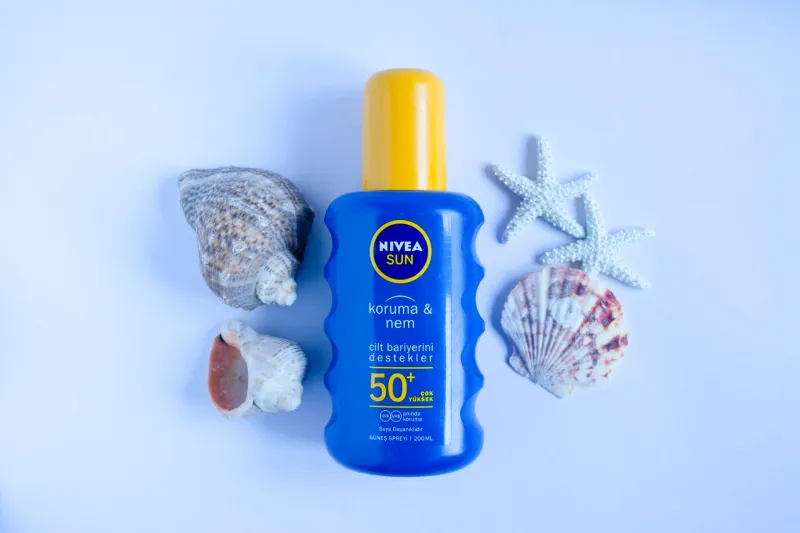
- Use sunscreen every morning. Brightening without sun protection is a leaky bucket. This is the least glamorous step and the one most likely to protect your progress.
- Evaluate at six to eight weeks. If nothing has changed, do not add three more products. Simplify, or ask a dermatologist for guidance.
What 'barrier repair' should mean on a label
Barrier repair is not a regulated term. A product may use it while containing little more than a nice moisturizer. That is not necessarily a scandal, but it is a reason to read the ingredient list instead of the front of the bottle. Ceramides, cholesterol, fatty acids, panthenol, glycerin, and petrolatum can all support the barrier in different ways. Fragrance-free formulas can be helpful for reactive skin, but fragrance is not universally evil. 'Clean' is a marketing story, not a clinical guarantee. Price is not a proxy for repair.
The timing question
A simple structure works for many people. Morning: gentle cleanse, moisturizer, sunscreen. If you tolerate vitamin C, it can fit here. Evening: cleanse, active on scheduled nights, moisturizer. On off nights, just cleanse and moisturize. Skin cycling is one way to schedule actives, but it is not magic. The best schedule is the one you can follow without turning your face into a science experiment.
The 2026 glow is quieter than the 2010s version. It is less about a dramatic before-and-after and more about skin that feels boring in the best way: no sting, no flakes, no emergency concealer. That is not a compromise. It is a sequence. Barrier before glow. Then let the glow be what it is.