Glow Without the Euphemism: A Case for Clearer Brightening Labels in America
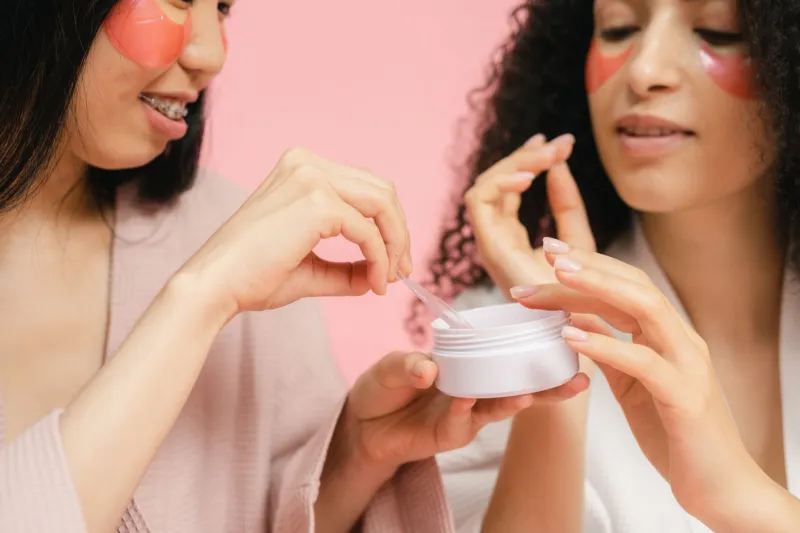
Walk down any US skin care aisle and you will see the same word doing a lot of heavy lifting: brightening. It is on serums, moisturizers, masks, cleansers, and probably a lip balm or two. Sometimes it means glow. Sometimes it means fading dark spots. Sometimes it means something closer to whitening, dressed up in nicer packaging.
That ambiguity is not just annoying. It is a confidence problem. Skin care should help people feel more at home in their skin, not quietly suggest that their natural tone is a flaw to be corrected. So here is the opinion: the American beauty aisle needs cleaner language around glow. Brightening is not whitening, and the industry should stop acting like those words are interchangeable.
The aisle has a language problem
In the US, whitening creams occupy a strange space. Some are sold for hyperpigmentation and dark spots. Others are marketed with language that implies lighter skin is cleaner, more professional, or more beautiful. That second message is where things get ugly. Colorism is real, and it does not need a passport to show up in American drugstores, Ulta aisles, or TikTok shop listings.
Brightening, at its best, is a useful word. It can describe skin that looks more radiant, more even, and less dull. At its worst, it is a shrug of a euphemism that lets a brand avoid saying what it actually means. Shoppers deserve better than a label that requires a decoder ring.
Brightening, whitening, and the difference that matters
Whitening implies changing the baseline color of your skin. Brightening should imply improving the surface: fading post-acne marks, softening the look of sun spots, reducing dullness, and supporting a smoother texture. Those are cosmetic goals, and they are legitimate. Wanting your dark spots to fade is not the same as wanting your ethnicity to fade.
This distinction matters most for people with medium-to-deep skin tones, who are often marketed to with the most coded language. A product can help with uneven tone without implying that the person’s natural tone is the problem. The words on the bottle should reflect that.
What ingredients can and cannot do
Let’s get practical. Niacinamide is a steady, well-liked ingredient for supporting the skin barrier and improving the look of uneven tone over time. Vitamin C is an antioxidant that can help with dullness and the appearance of dark spots, though formulas vary wildly and some are irritating. Exfoliating acids — think glycolic, lactic, mandelic, and salicylic — can smooth texture and fade surface discoloration by encouraging cell turnover.
What none of these ingredients do is change your skin’s underlying color. They do not make you a different race, and they should not be sold as if they can. They also do not work overnight. Anyone promising a dramatic tone change in a week is either exaggerating or selling something you should not put on your face.
How to read a brightening label like a skeptic
First, look for the actual ingredient list, not just the front of the package. The claim on the front is marketing. The ingredient list is where the formula lives. Second, look for a named concern: dark spots, post-acne marks, dullness, uneven texture. A product that says it addresses a specific issue is easier to judge than one that promises a vague glow.
Third, be wary of before-and-afters with different lighting. Fourth, check whether the brand explains how to use the product without turning your skin into a peeling experiment. And fifth, ask yourself a simple question: does this label make me feel like my skin is being cared for, or like my skin is being corrected?
Confidence is not a color
A good skin care routine can give you a weirdly powerful feeling. You wake up, your face looks a little calmer, your makeup sits better, and you stop thinking about your skin for five minutes. That is the glow worth chasing. It is not about becoming lighter. It is about becoming more comfortable in the skin you already have.
Brands love to talk about confidence because it sells. Fine. Then they should write labels that actually support it. That means dropping the whitening-adjacent wink, being specific about what an ingredient can do, and acknowledging that uneven tone is a common skin concern — not a moral failing.
The labels we deserve in 2026
We are not asking for poetry on a serum bottle. We are asking for clarity. Say brightening when you mean radiance and uneven tone. Say dark spot corrector when you mean dark spot corrector. Say exfoliating when you mean exfoliating. And if a product is meant to lighten skin, be honest enough that shoppers can make an informed choice — and be prepared for them to choose something else.
The US beauty aisle can do better. Shoppers can do better, too. Read the back of the bottle. Ask what the claim actually means. Buy results, not euphemisms. Glow is a good word. Let’s stop using it to hide the uncomfortable ones.