When Your Mousse Ghosts You: A Replace-First Guide for Faded Volume
There is a particular kind of beauty betrayal that happens on a Tuesday morning. You reach for the mousse that gave you a good hair day all last month, work it through, blow-dry, and get… nothing. The hair is clean. The technique is the same. The product just seems to have quietly resigned.
In 2026, US shoppers are spoiled for volume products. We have root-lift mousses, sea-salt texturizers, plumping serums, and skincare layers that promise a fuller-looking face. What we do not always have is a realistic relationship with shelf life. We blame our hair, our skin, our styling skills, or the weather. Sometimes the real culprit is a product that has been open too long, stored badly, or simply reached the end of its useful life.
This is an opinion, not a lab report: the beauty aisle needs a clearer conversation about expiration. Until that happens, here is a practical way to think about what to replace first.
The Problem With 'It Used to Work'
Most of us do not track when we opened a product. We track whether we like it. That works until performance drops. A mousse that once held a curl starts to feel wet and heavy. A texturizer that gave grip starts to leave a sticky film. A plumping serum that felt cool and firming starts to pill under makeup.
Those changes can be caused by formula degradation, contamination, or simply the wrong storage conditions. They can also be caused by a change in your hair, your water, or the weather. The tricky part is that the printed expiration date is not always the whole story. A product can be within date and still be past its best performance if it has been sitting in a hot bathroom for months.
Shelf Life Is Not One Number
The printed date usually refers to an unopened product stored under normal conditions. Once you open it, the clock changes. Many products use a period-after-opening symbol—the little jar with a number and an M—to show how long the formula is expected to stay stable after opening. A mousse might be fine for six to twelve months after opening. A water-based serum might be shorter. An anhydrous balm might last longer.
That does not mean you should throw out everything on a rigid schedule. It means you should pay attention to the product's job. Water-based formulas that rely on emulsifiers, polymers, and preservatives are more vulnerable to temperature swings and contamination. Products you dip into with fingers are more vulnerable than products you pump. And anything that has changed color, smell, or texture is telling you something.
Storage Habits That Speed Up the Fade
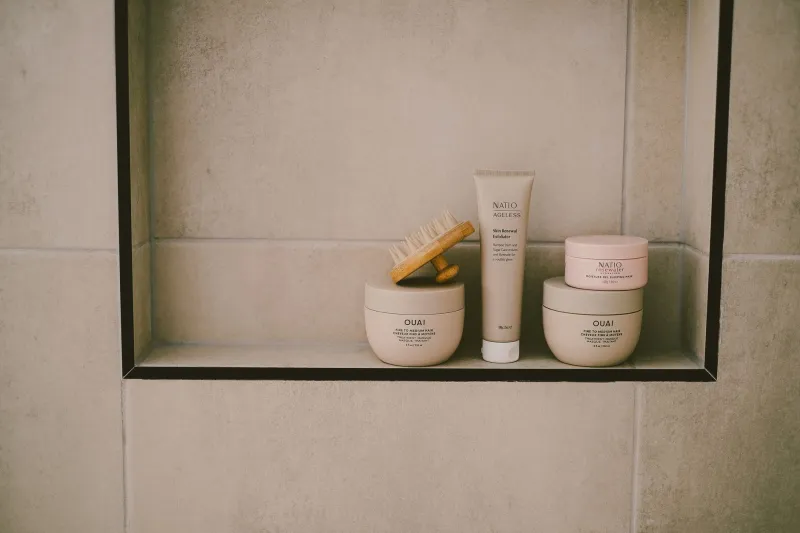
Bathrooms are convenient and often terrible for product longevity. Steam, heat, and direct sunlight are not kind to emulsifiers or fragrance. If your products live on a shelf above the shower, they are getting a daily sauna. If they sit in a sunny windowsill, they are getting a UV bath.
A few small changes can help: store opened products in a cabinet or drawer, keep them away from the shower's direct steam zone, and close caps tightly. Do not leave mousse in a hot car. Do not store a plumping serum next to a radiator. And if a product comes with a spatula, use it instead of fingers—especially for jars.
The Replace-First Priority List
If several products seem to be underperforming, do not replace everything at once. Start with the ones most likely to affect the result you care about.
-
Aerosol and foam mousses. These are high-maintenance formulas. Once the foam starts collapsing, spitting unevenly, or feeling wet rather than airy, performance drops fast. If your mousse is more than a year old and has been stored in a steamy bathroom, replace it first.
-
Water-based liquid texturizers and root-lift sprays. These often rely on polymers for grip and lift. When they start to feel tacky, cloudy, or strangely heavy, they are not doing your hair any favors. A fresh bottle is usually a better test than layering more product.
-
Plumping skincare serums and essences. If a product that once absorbed cleanly starts pilling, separating, or smelling off, stop using it. Plumping formulas often contain water, humectants, and peptides or other supportive ingredients. They can degrade, and they can also become contaminated if you use droppers directly on the skin.
-
Powders and dry texturizers. These have a longer runway, but they can absorb moisture and clump. If a dry shampoo or texture powder starts leaving gritty residue or smells stale, replace it.
-
Tools and applicators. This is the unglamorous one. A dirty diffuser, a grimy comb, or a makeup sponge that never fully dries can undo a good product. Clean or replace these before you buy another bottle.
Signs a Product Has Lost Its Oomph
The printed date is one data point. Your senses are another. Look for changes in color, consistency, and smell. A mousse that used to be white and fluffy but now looks separated or watery is suspect. A serum that has turned cloudy or developed a film is suspect. A texturizer that leaves a stiff, flaky cast when it used to leave flexible grip is suspect.
Also watch for performance changes that happen fast. If a product worked last week and now feels completely different, that is a stronger signal than a date printed two years ago. And if you have had a product for years, even an unopened one, be skeptical. Formulas are not infinite.
What to Do Before You Buy New
Before you replace a product, check your technique. Are you using the same amount? The same heat setting? The same towel? Did you change your shampoo or conditioner? Did the weather shift from dry to humid? A volume product can feel different when the dew point changes.
Also check the cap and the opening. If a mousse nozzle is clogged, you may be getting a weaker, wetter stream. If a pump is sputtering, you may be using less product than you think. Sometimes the fix is a cleaning, not a replacement.
The Bottom Line
Volume products are not permanent fixtures. They are formulas with a useful life, and that life is shaped by how you store them and how often you open them. Replace the foam and water-based products first. Keep an eye on anything that has changed smell, color, or texture. And give yourself permission to let go of a product that is not doing its job anymore. Your hair did not stop working. Your mousse just got old.